 View project
An LA Story
Character-driven dramatic scoring shaped around identity, uncertainty and emotional change.
Character. Story. Subtext. Music that reveals what the picture leaves unsaid.
John Renning Phillips is a New York-based composer for film and television. He writes from the story outward, using melody, theme, orchestral color, tension, atmosphere and texture to reveal character and emotional movement without simply repeating what the audience can already see.
View projectCharacter-driven dramatic scoring shaped around identity, uncertainty and emotional change.
 View project
Psychological and atmospheric material ranging from restrained intimacy to darker, more experimental textures.
 View project
A broad tonal world that moves through comedy, eccentricity, rhythm and heightened dramatic color.
 View project
A released-film cue built around tension, momentum and dark energy.
 View project
Thematic and psychological scoring for a visual title sequence with suspense and cinematic momentum.
 View project
Original music composed to picture for the Uninflected Pictures production reel.
Phillips begins with the director's intention, the characters beneath the surface, and a simple question: what can the music contribute that the picture has not already expressed?
The dramatic problem comes first. Theme, melody, orchestra, texture, repetition, electronics, restraint and silence are tools chosen according to what the film needs.
The score does not have to duplicate what the audience can already see. Phillips looks for character, contradiction and subtext that music can reveal or deepen.
Rather than mechanically tracking every edit or physical action, the music can provide continuity and develop with the larger emotional trajectory of a scene.
The process begins with understanding what the filmmaker wants the audience to feel, then bringing musical ideas that can support, deepen or occasionally challenge that intention.
For decades, Phillips wrote music in response to words. Today, he writes music in response to picture. The stimulus changed. The underlying process remains interpretation.
The musical language changes with the dramatic problem, from thematic and orchestral writing to tension, atmosphere, repetition and contemporary texture.
Melodic and thematic writing for scenes and stories that benefit from a clear emotional identity.
Restrained scoring, low strings, sparse piano, unusual textures and carefully controlled pressure.
Orchestral, rhythmic and textural writing that changes intensity and color while preserving the dramatic through-line.
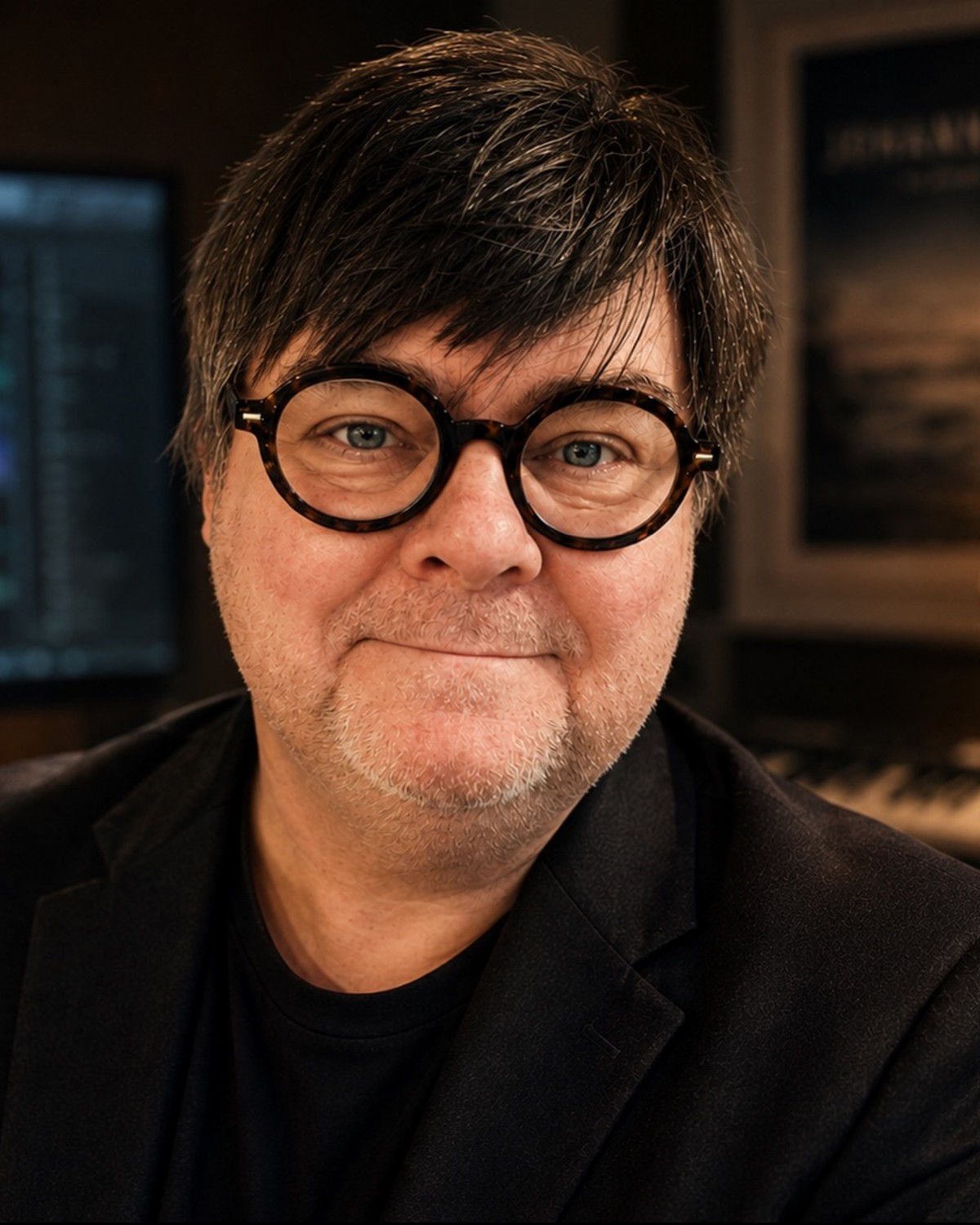
John Renning Phillips is a New York-based composer for film and television whose musical foundation was shaped by decades of songwriting, recording and composing under the name Jack Phillips.
His songwriting process usually began with words. In screen work, picture has become the stimulus. The musical language may change completely, but the underlying process remains interpretation: understanding the story, character and subtext and finding the music that belongs to them.
Phillips works from the story outward rather than imposing a predetermined style. His screen music can move from intimate piano and thematic writing to orchestral color, psychological tension, atmosphere and contemporary texture. He is interested in the larger emotional trajectory of a scene and in what music can contribute that the audience is not already seeing or hearing.
His film work includes music created for Wetiko, Slay Ride, Limonada, An LA Story and Confinement, together with commercial and visual-media scoring for Uninflected Pictures. For decades, he wrote music to words. Today, he writes music to picture.


